
1. Introduction: From Python Lists to C Arrays
1.1 Key Differences Overview
| Aspect | Python Lists | C Arrays |
|---|---|---|
| Size | Dynamic (can grow/shrink) | Fixed size (static) |
| Type | Can store mixed types | Single type only |
| Memory | Automatic management | Manual bounds checking |
| Declaration | list = [1, 2, 3] |
int arr[5] = {1, 2, 3, 4, 5}; |
| Bounds Checking | Automatic (raises IndexError) | No automatic checking |
| Performance | Slower (overhead) | Faster (direct memory access) |
1.2 Why Arrays Matter in C
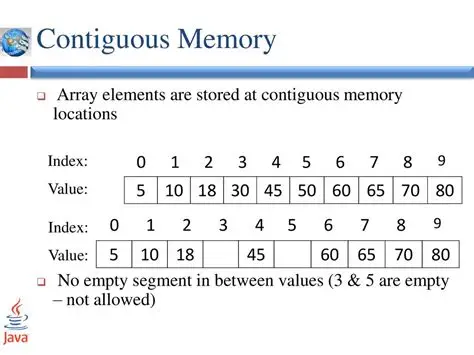
Memory Efficiency:
- Arrays store elements in contiguous memory locations
- Faster access compared to dynamic structures
- Predictable memory usage
Performance:
- Direct indexing without function call overhead
- Cache-friendly memory access patterns
- Essential for embedded systems and real-time applications