
3. Why is ADC Needed in Embedded Systems?

The real world is analog — all physical phenomena (temperature, light, sound, pressure, humidity) are continuous signals. However, microcontrollers and computers can only process information in digital form (0 and 1).
ADC acts as a bridge between the physical world and the digital world:
- Sensors produce analog signals → For example, an LDR produces a voltage that changes according to light intensity.
- Microcontrollers only understand digital numbers → Without an ADC, a microcontroller cannot "read" that voltage value.
- ADC converts → An analog voltage of 0–5V is converted into a number from 0–1023 (for a 10-bit ADC).
- Programs can process the result → For example: if the ADC value is < 500, turn on the LED.
Examples of ADC usage in daily life:
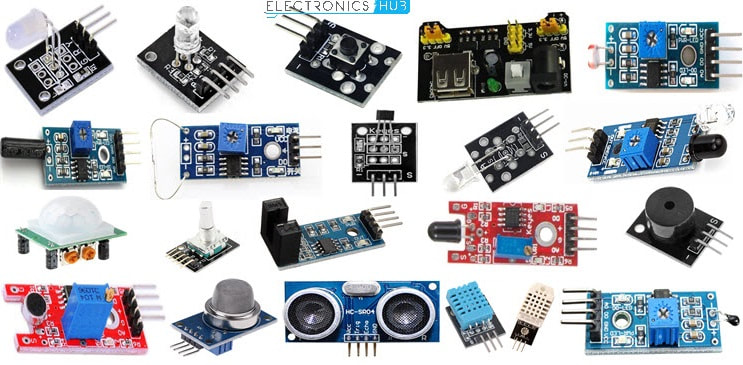
- Reading temperature sensor values (LM35) → conversion to degrees Celsius
- Reading light intensity (LDR) → automatic screen brightness control
- Reading a potentiometer → audio volume control
- Voice recording (microphone) → audio digitization
- Battery measurement → displaying power percentage
No comments to display
No comments to display